
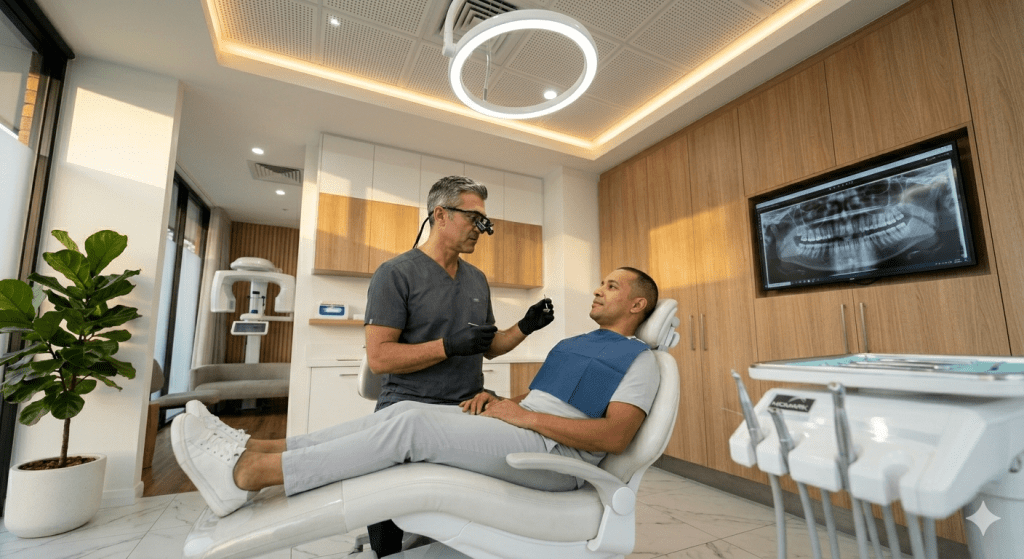
Dental emergencies can happen unexpectedly and knowing where to turn in Glendale, AZ, is important to get fast relief. Whether it’s a sudden toothache, a broken tooth, or an injury that needs immediate attention, having access to emergency dental care can make a big difference in comfort and recovery.
Emergency dental services in Glendale, AZ, offer prompt treatment for pain relief, damage repair, and infection prevention, ensuring patients don’t have to wait until regular office hours. These clinics focus on quick, compassionate care using modern technology to address urgent dental issues while keeping patient comfort a priority.
Many local dentists also provide guidance on what to do before reaching their office, helping to minimize discomfort and avoid complications. Knowing this support is available can ease anxiety and encourage people to seek timely care when it matters most.
Recognizing Dental Emergencies
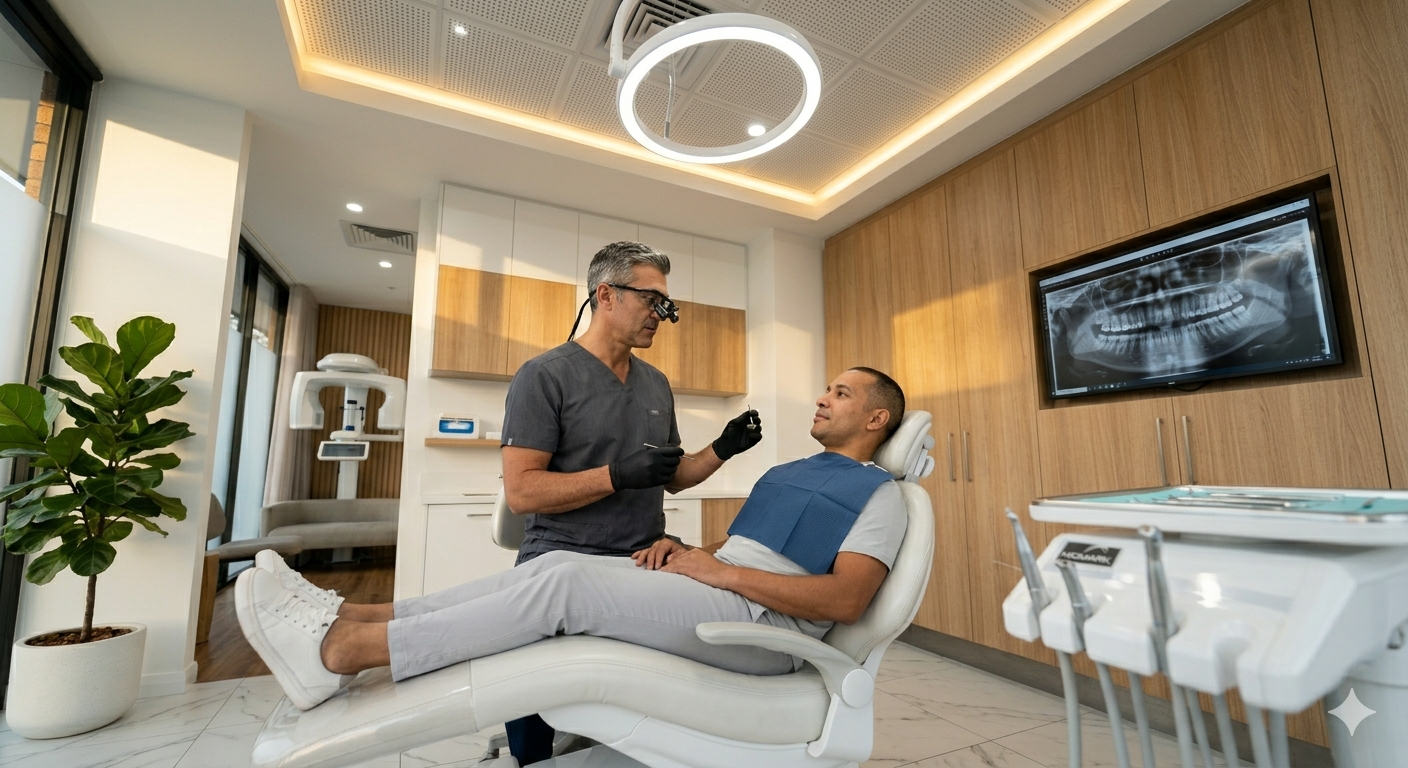
Dental emergencies can be confusing to recognize, but some clear signs point to the need for prompt treatment. Understanding the most urgent symptoms and knowing which situations require immediate care can help avoid complications and alleviate pain quickly.
Common Signs You Need Immediate Dental Care
Severe tooth pain that won’t go away, swelling in the mouth or face, and heavy bleeding after an injury are strong indicators of a dental emergency. If pain is sharp, intense, or accompanied by fever, it suggests infection or damage that needs urgent attention.
Other signs include a knocked-out tooth, broken or cracked teeth exposing the pulp, and any loose permanent tooth after trauma. Difficulty breathing or swallowing due to mouth injury also requires immediate dental or medical care.
Recognizing these symptoms early helps prevent worsening of the problem and increases the chances of successful treatment.
Types of Dental Emergencies
Common emergencies include toothaches caused by decay or infection, chipped or broken teeth from accidents, and lost fillings or crowns. Severe abscesses can cause swelling and intense pain, requiring quick drainage and antibiotics.
Dental trauma such as avulsed (knocked-out) teeth needs urgent reimplantation if possible. Soft tissue injuries inside the mouth, like cuts or tears that bleed heavily, also qualify as emergencies.
Delayed care may lead to infection spreading or permanent tooth loss, so timely visits to an emergency dentist in Glendale, AZ, are critical.
What Is Not Considered an Emergency
Not every dental issue requires immediate care. Mild tooth sensitivity, minor chips without pain, or slight irritation from braces typically do not need emergency intervention.
Routine concerns like needing a cleaning, small cavities without pain, or cosmetic questions can wait for regular appointments. Scheduling a next-day or future dental visit is usually sufficient here.
Avoid unnecessary emergency visits by understanding these boundaries, but when in doubt, consulting a dental professional is always a safe choice.
Finding Prompt Help in Glendale, AZ
Getting quick dental care during an emergency can make a big difference in pain relief and treatment success. Glendale has several options for fast response, clear communication, and easy access to local dental clinics that work around urgent needs.
How to Contact an Emergency Dentist
Most emergency dentists in Glendale offer a dedicated phone line for urgent cases. Patients should call as soon as possible, clearly stating their symptoms, like severe tooth pain, broken teeth, or swelling. This helps the receptionist prioritize and prepare the right care.
Many clinics also provide online forms or chat services for non-phone inquiries, but calling remains the fastest way to reach someone. When calling outside regular hours, an answering service usually directs patients to after-hours care or on-call dentists.
Having your dental insurance information handy speeds up the check-in process. Emergency dentists often request details about allergies or medications to prepare for safe treatment.
What to Expect When You Call
When a patient calls an emergency dental clinic in Glendale, they can expect a friendly and calm voice asking about the problem. The staff will assess the urgency, often by asking about pain levels and visible damage.
If the injury is severe—like a knocked-out tooth or heavy bleeding—they try to fit the patient in quickly, sometimes the same day. For less critical problems, they may schedule an appointment within 24 hours.
The receptionist often advises on first steps: rinsing the mouth, applying cold compresses, or avoiding certain foods until the visit. This early guidance helps control pain and swelling.
Location and Availability of Local Clinics
Glendale has multiple dental clinics spread across the city, including near popular neighborhoods like Arrowhead and Downtown Glendale. Many clinics advertise emergency services and provide flexible hours, including weekends and evenings.
A few well-known options often open for emergencies are Valley Dental Group, West Valley Dental, and Glendale Emergency Dentistry. Checking Google Maps or local dental listings can help find the closest clinic.
Some offices partner with hospitals for extreme cases, ensuring that patients receive hospital-grade care if needed. It’s helpful to know the clinic address, parking options, and public transport links before arriving to avoid delays.
Immediate Steps Before You Arrive
Knowing the right actions to take before reaching the dentist can ease pain and improve outcomes. Quick care at home can reduce complications and keep the problem from getting worse.
Handling Tooth Pain or Broken Teeth
If a toothache strikes, rinsing with warm salt water helps clean the area and reduce irritation. Over-the-counter pain relievers like ibuprofen can be taken to lessen the pain and inflammation. Avoid placing aspirin or any medication directly on the gums or tooth, as it may cause burns.
For a broken tooth, carefully save any large pieces and rinse the mouth to clear debris. Avoid chewing on that side and use a cold compress to reduce pain and swelling. Soft foods and cool drinks are better choices until treatment.
Managing Swelling or Bleeding at Home
Swelling after a dental injury can be uncomfortable but is often manageable with ice packs. Apply a cold compress to the cheek for 15-20 minutes at a time, with breaks in between. Avoid hot foods or drinks, as they might increase swelling.
To control bleeding, bite down gently on a clean gauze or cloth. Keep pressure firm but not painful and maintain it for about 10-15 minutes. If bleeding continues beyond 30 minutes or is heavy, seek emergency care immediately.
What to Do with Knocked-Out Teeth
Time is critical when a tooth is knocked out. Retrieve the tooth by the crown (the chewing surface), not the root, to avoid damage. If dirty, rinse gently with water or milk but do not scrub or use soap.
The best option is to place the tooth back into the socket if possible. If not, store it in a container of milk or saliva to keep it moist. Getting to the dentist within 30 minutes increases the chances of successful reimplantation.
Treatment Options for Urgent Dental Issues
When a dental emergency strikes, quick and effective care is essential to relieve pain and prevent further damage. Treatment focuses on restoring damaged teeth and managing symptoms like pain and infection.
Emergency Fillings and Repairs
For chipped, cracked, or broken teeth, emergency fillings and repairs are often the first step. Dentists use strong, tooth-colored composite materials to fill in cracks or replace lost tooth structure, protecting the tooth from sensitivity and decay.
In some cases, a temporary filling may be placed to stabilize the tooth until a permanent restoration can be done. For more extensive damage, dental crowns might be recommended to reinforce the tooth and restore its function. These treatments aim to save the natural tooth whenever possible, reducing the need for extraction.
Pain Relief and Infection Control
Pain relief often begins with local anesthetics applied during treatment to numb the area. For ongoing discomfort, dentists may recommend over-the-counter pain medications or prescribe stronger options if necessary.
If an infection is present, antibiotics are prescribed to stop the spread and promote healing. In severe cases, a root canal may be performed to remove infected pulp tissue while preserving the tooth structure. Prompt infection control is critical to avoid complications like abscesses or systemic issues.
Comfort and Anxiety Relief During Dental Emergencies
Dental emergencies can be stressful, but skilled care helps ease discomfort and nervousness. By combining gentle techniques with supportive sedation options, patients experience a calmer, more manageable visit.
Gentle Care Techniques
Dentists in Glendale prioritize gentle care to reduce pain and trauma during emergency treatments. They take time to examine the issue carefully and explain each step, helping patients feel informed and less anxious.
Using tools designed to minimize pressure and vibration, the dentist ensures procedures are as painless as possible. Applying topical numbing gels before injections and working slowly helps prevent sudden discomfort. Staff also keep the treatment room quiet and welcoming, which further soothes patients.
Clear communication is key. The dentist encourages patients to signal if they need a break, maintaining control and comfort throughout the appointment. This patient-centered approach reduces fear and builds trust.
Sedation and Patient Support
When anxiety runs high, sedation is a valuable option during emergencies. Dentists in Glendale often use nitrous oxide (laughing gas) because it works quickly, calms nerves, and wears off fast after the visit.
For deeper relaxation, oral sedation pills can be prescribed ahead of time. These medications help patients stay calm but awake and responsive during treatment. Intravenous (IV) sedation may be available for more serious procedures, providing a stronger calming effect.
Throughout sedation, the dental team monitors vital signs closely to ensure safety. They also offer personalized support—discussing fears openly and providing comfort measures like headphones or warm blankets.
Both sedation and gentle care techniques work together to make emergency dental visits less intimidating and more comfortable for every patient.
Preventing Future Dental Emergencies
Taking steps to protect teeth daily and during activities can greatly reduce the risk of urgent dental problems. Simple habits and smart precautions often prevent fractures, infections, and other painful issues.
At-Home Care Tips
Consistent oral hygiene is the foundation of avoiding dental emergencies. Brushing twice a day with fluoride toothpaste removes plaque that leads to decay and gum disease, common causes of painful infections.
Flossing daily cleans between teeth where a brush can’t reach, preventing cavities from forming in these tight spots. Drinking plenty of water helps wash away food particles and keeps saliva flowing, which protects enamel.
Regularly checking for signs such as swelling, sensitivity, or cracks allows early action before conditions worsen. Avoid using teeth to open packages or chew on hard objects like ice or pens, as this can cause chips or breaks that might require emergency care.
Protecting Your Teeth During Activities
Using mouthguards during sports or physical activities is key to preventing traumatic injuries. Custom-fit guards offer the best protection, cushioning blows that might otherwise fracture teeth or damage soft tissue.
For those who grind their teeth at night, a nightguard can prevent wear and cracks that might lead to sudden pain. People should also avoid chewing extremely hard or sticky foods when possible, as these can cause chips or dislodge dental work.
Being mindful of habits like nail-biting or clenching can reduce unnecessary stress on teeth. In all cases, seeing a dentist promptly after any injury helps prevent complications that could turn into emergencies.
Aftercare and Recovery Guidance
After an emergency dental visit in Glendale, AZ, following the dentist’s instructions carefully is key to a smooth recovery. Patients should avoid eating hard or chewy foods for the first 24 hours to prevent irritation or damage to the treated area.
Pain and swelling are common after dental procedures. Applying an ice pack wrapped in a cloth to the outside of the cheek for 15 minutes on and off can help reduce swelling. Over-the-counter pain relievers, taken as directed, are often recommended to manage discomfort.
Keeping the mouth clean supports healing. Patients should gently rinse with warm salt water after 24 hours, but avoid vigorous swishing. Brushing and flossing should continue carefully, avoiding the treatment site until it feels comfortable.
It’s important to watch for signs of complications, such as persistent bleeding, severe pain, or signs of infection like fever or pus. If any of these occur, contacting the emergency dental office promptly is advised.
A quick reference for aftercare:
| Care Tip | Recommendation |
|---|---|
| Diet | Soft foods, avoid hot or spicy meals |
| Pain Management | Ice packs, OTC pain relievers |
| Oral Hygiene | Gentle brushing, saltwater rinses |
| When to Seek Help | Excess bleeding, swelling, infection |
Regular follow-up appointments help ensure healing is on track. Encouraging patients to reach out with any questions or concerns supports comfort and peace of mind during recovery.
When to Schedule a Follow-Up Appointment
After an emergency dental visit in Glendale, it’s important to know when to book a follow-up. This helps ensure proper healing and prevents further issues.
If the dentist provided treatment like a filling, root canal, or tooth extraction, a follow-up is usually scheduled within 1 to 2 weeks. This allows the dentist to check healing and address any pain or swelling.
Patients should also plan a follow-up if they notice persistent symptoms such as:
- Continuous pain or throbbing
- Swelling that doesn’t improve
- Bleeding that lasts beyond a day
- Signs of infection, such as fever or pus
Sometimes, a follow-up appointment is more about preventive care. After an emergency, the dentist may want to assess the overall oral health, identify weak spots, or plan further restorative work.
Here is a simple timeline for follow-ups after emergency care:
| Situation | Follow-Up Timing |
|---|---|
| Tooth extraction | 7-14 days |
| Root canal treatment | 1-2 weeks |
| Severe trauma or injury | Within a week |
| Persistent symptoms | As soon as possible |
Scheduling that next visit gives peace of mind and helps maintain a healthy smile. It’s always best to call a Glendale dental office if unsure about when to return.
Frequently Asked Questions
Emergency dental care often means acting fast when pain or damage strikes. Knowing how to handle severe toothaches, broken teeth, or urgent procedures can help patients in Glendale get the right care without delay.
What counts as a true dental emergency versus something that can wait until regular office hours?
True dental emergencies include uncontrollable bleeding, severe pain, knocked-out teeth, and infections causing swelling or fever. Mild sensitivity, minor chips, or loose fillings can usually wait until normal hours.
If I have a severe toothache, what should I do right now to manage the pain safely until I’m seen?
Rinse your mouth with warm salt water to reduce swelling. Use over-the-counter pain relievers like ibuprofen, but avoid placing aspirin directly on the tooth or gums. Cold compresses can help with swelling, applied in 15-minute intervals.
Can an urgent dental visit include a same-day tooth extraction if the tooth can’t be saved?
Yes, many Glendale emergency dentists can perform same-day extractions when a tooth is severely damaged or infected beyond repair. They will also discuss pain management and follow-up care right away.
What should I do if I chip or break a tooth—especially if it’s painful or sharp?
Rinse your mouth gently and save any broken pieces if possible. Use dental wax or sugar-free gum to cover sharp edges, and avoid chewing on that side. Seek emergency care promptly to prevent infection or further damage.
Do after-hours or weekend dental visits cost more, and what payment or financing options are typically available?
After-hours visits often have higher fees due to extended staffing and urgency. Many providers in Glendale accept insurance, offer payment plans, or partner with financing companies to make urgent dental care more affordable.
If I don’t have a regular dentist (or I’m new to town), how can I get urgent dental care quickly and safely?
Look for local emergency dental clinics with good reviews and verified licenses. Many Glendale dentists reserve slots for walk-in or urgent cases. Calling ahead can confirm availability and reduce wait times.